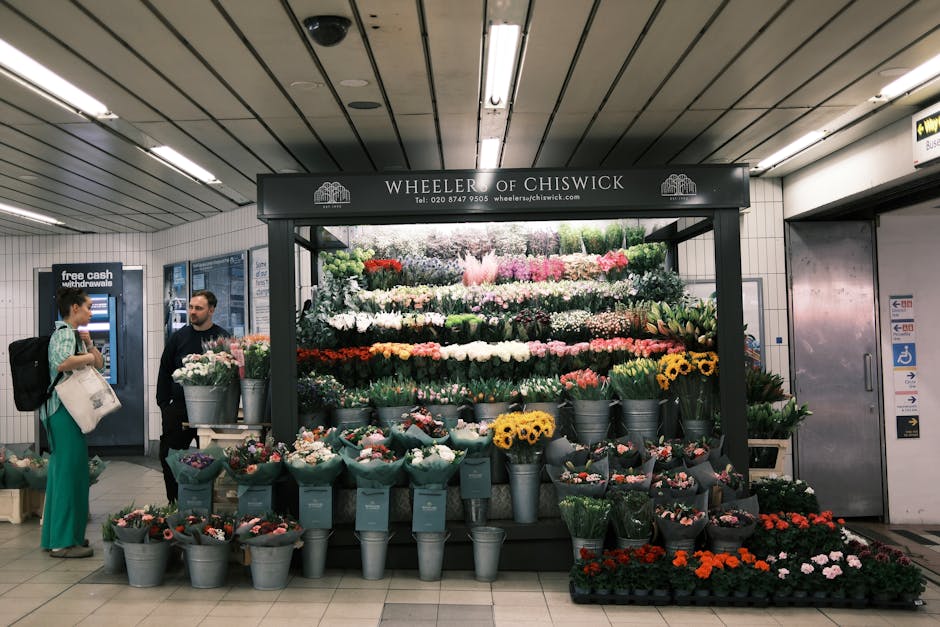
Prevent delays for urgent flowers to London hospitals
Posted on 30/10/2026
When flowers need to reach a London hospital quickly, the clock suddenly matters a lot more than the bouquet. A late delivery can miss visiting hours, arrive after a patient has been moved, or simply land at the wrong time for the family or ward staff. Preventing delays for urgent flowers to London hospitals is really about planning the small details that people often overlook: the exact hospital name, the ward or department, access instructions, the best delivery window, and what happens if reception is busy or a patient isn't on the ward anymore.
In practice, urgent hospital flower delivery is less about making the arrangement look fancy and more about making sure it actually gets there. This guide walks through how to reduce delay risk, what to check before you place the order, where deliveries commonly go wrong, and how to choose a delivery method that suits the reality of London traffic, hospital procedures, and the fact that hospitals are busy places. Truth be told, a good plan saves more time than a rushed phone call ever will.

Table of Contents
- Why preventing delays matters
- How urgent hospital flower delivery works
- Key benefits and practical advantages
- Who this is for and when it makes sense
- Step-by-step guidance
- Expert tips for better results
- Common mistakes to avoid
- Tools, resources and recommendations
- Law, compliance, standards, or best practice
- Options, methods, or comparison table
- Case study or real-world example
- Practical checklist
- Conclusion
- Frequently asked questions
Why Prevent delays for urgent flowers to London hospitals Matters
Hospitals run on schedules. Even where staff are kind and flexible, they are juggling rounds, handovers, security checks, ward routines, visiting times, and patient privacy. So if flowers arrive late, or with incomplete details, they may sit at reception, get delayed while staff try to identify the recipient, or miss the intended moment entirely.
That matters for a few simple reasons. First, flowers are usually sent to support someone at a very specific time: after surgery, during recovery, on a difficult day, or when family members can finally visit. Second, a hospital delivery is not the same as a home delivery. You are dealing with controlled access, multiple departments, and often a front desk or ward team who cannot spend ages chasing missing information. Third, London is London. Traffic changes, road works appear, and a short journey can become a slow one if the delivery isn't planned properly.
There is also the emotional side. A flower delivery is often carrying a message more important than the flowers themselves. The recipient may be unwell, worried, tired, or surrounded by a lot of noise and paperwork. A simple arrangement arriving on time can feel like a small island of calm. Arriving late? Less helpful. A bit deflating, even if nobody says it out loud.
Expert summary: The best way to prevent delays is to treat a hospital flower delivery like a timed handover, not a standard parcel drop. Clear recipient details, a delivery window, and a suitable bouquet style do most of the heavy lifting.
How Prevent delays for urgent flowers to London hospitals Works
At a practical level, preventing delays starts before the bouquet leaves the florist. The order needs to be shaped around three things: the hospital environment, the delivery route, and the recipient's likely availability. If one of those is vague, the rest becomes guesswork.
1. The order is checked for accuracy
The florist or delivery team should confirm the hospital name, postcode, ward, department, recipient name, and any note that helps staff identify the right person. "General ward" is too vague. "Cardiology ward, Level 4, near the lift" is much better. If the recipient is being moved between departments, the risk of delay rises quickly.
2. The bouquet is prepared for speed and handling
For urgent deliveries, simpler designs can be a smart choice. That doesn't mean dull. It means fewer fragile elements, fewer loose accessories, and packaging that is easy to carry through a hospital corridor. A sturdy vase arrangement or a tidy hand-tied bouquet is often more practical than something oversized and awkward. Hospitals are not ideal places for faffing about with unwieldy boxes. Let's face it, nobody wants a florist trying to balance a giant arrangement while a porter wheels past with a trolley.
3. The route and timing are matched to London conditions
Same-day or next-day services work best when the delivery time is realistic. A good provider will factor in road congestion, access restrictions, and the time it takes to get from vehicle to ward. If a hospital has restricted delivery access or a busy drop-off point, the courier needs extra time built in.
For that reason, the delivery promise matters as much as the bouquet. Services such as same-day flower delivery in London and next-day flower delivery in London are most useful when the cutoff time, address accuracy, and hospital access all line up.
4. The delivery is handed over carefully
Hospitals may ask for items to be left at reception, with a ward clerk, or with a nominated staff member. If the recipient cannot receive flowers directly, the handover step becomes important. A careful delivery note and a recognisable label help a lot here.
In our experience, the smoothest urgent deliveries are the ones that feel almost boring. No drama, no chasing, no "where exactly is the ward?" panic. Just a clean handover and a call or message that confirms success.
Key Benefits and Practical Advantages
When you prevent delays properly, the benefits go beyond speed. You improve reliability, reduce stress, and increase the chance the flowers arrive in good condition and at the right moment.
- Better timing: The flowers are more likely to arrive during visiting hours or when the recipient can actually enjoy them.
- Less admin for hospital staff: Clear details mean fewer calls, fewer queries, and less wasted time.
- Lower risk of spoilage or damage: Faster, more direct delivery usually means fresher flowers on arrival.
- More emotional impact: A well-timed delivery feels thoughtful and considered, not rushed and random.
- Fewer failed drops: Accurate ward and recipient details reduce the chance of re-routing or returns.
There is a commercial side too. If you are arranging urgent flowers regularly for clients, staff, or family situations, being organised saves both time and money. It reduces the chance you'll need a redelivery or a replacement. If you are comparing service options, a broader range such as flower delivery across London can help when the hospital address is not the only stop on your list.
And yes, a well-chosen bouquet can still look elegant. Fast does not have to mean plain. It just needs to be practical first.
Who This Is For and When It Makes Sense
This topic is relevant to a lot more people than you might think. It isn't just for family members sending a "get well soon" gesture. Urgent hospital flower delivery is used in all kinds of situations, and the delivery pressures are often different each time.
People sending flowers to a patient
If someone is in hospital after an operation, treatment, or a sudden illness, timing can be sensitive. You may want flowers to arrive on a particular day, maybe after a procedure or once the family has had time to settle. The message matters, but the timing often matters just as much.
Friends and relatives coordinating from a distance
Not everyone is in London, which means the sender is relying on a clear delivery process. In those cases, it's worth using a service that keeps the order simple and tracks the practical details well. If you are sending from outside the city, options like send flowers in London can be especially useful because they are built around local delivery expectations rather than general parcel logic.
Corporate teams and personal assistants
Businesses sometimes send flowers to staff, clients, or partners in hospital. This can happen after a difficult event, following surgery, or as a gesture of support. Corporate senders usually need reliability, careful wording, and invoicing or order tracking that makes life easier rather than harder. A structured service such as corporate accounts may be relevant for repeat senders.
Anyone dealing with a time-sensitive emotional moment
Sometimes the urgency is not medical at all. It might be a same-day "thinking of you" bouquet after a difficult phone call. Or a family wanting flowers at the bedside before evening visiting. These little timing windows matter. Miss them and the meaning changes.
To be fair, if you are ever unsure whether flowers are the right thing for a particular ward or situation, it helps to think practically. Would the recipient be able to look after them? Is there enough space? Are visiting hours limited? A thoughtful sender asks those questions before placing the order.
Step-by-Step Guidance
If you want to prevent delays for urgent flowers to London hospitals, follow a simple process. Nothing fancy. Just disciplined.
- Confirm the full hospital details. Include hospital name, postcode, department, ward, and any building or entrance note.
- Check the recipient information. Use the correct full name and, if needed, a room or ward reference.
- Choose a suitable delivery speed. Same-day is useful if the order is placed in time; next-day works better when the timing is less frantic.
- Pick an arrangement that travels well. Compact bouquets, vased flowers, or florist-choice designs often work well for hospitals.
- Give delivery instructions that match the hospital setting. Mention reception, ward desk, or the correct entrance if you know it.
- Add a short card message. Keep it clear and readable. Tiny cards can become tiny headaches if the wording is too long.
- Double-check the cutoff time. Late ordering is one of the most common delay triggers.
- Choose a provider with a clear delivery process. A good service explains what happens if access is limited or the recipient is unavailable.
- Track the order if tracking is available. Knowing the order is on the road helps reduce last-minute worry.
- Allow for a hospital handover. If the recipient is not available, ensure the flowers can be accepted by staff or left safely where allowed.
If you want a quick mental test before you hit checkout, ask yourself: "Could someone unfamiliar with the hospital deliver this without ringing me back?" If the answer is no, add more detail. Simple as that.
Expert Tips for Better Results
A few small adjustments can make a huge difference, especially in London where delivery windows can be tight and hospitals are busy. These are the details that experienced senders tend to get right after a bit of trial and error.
Use the most specific entrance you can
Large hospitals often have multiple entrances, and not all are convenient for couriers. If you know the maternity entrance, the outpatient entrance, or the main reception route, mention it. A wrong entrance can easily become a slow loop around a big building.
Keep the wording short and clear
Long card messages are lovely in theory, but they can slow down identification and make the handover harder. In a hospital setting, concise works better. Name, ward, message. Done.
Choose flowers that suit indoor conditions
Strongly scented flowers can be a bit much in shared spaces, and very large blooms may not be welcome on some wards. If you're unsure, go for a balanced arrangement with good longevity rather than something overly dramatic. A thoughtful bunch often lands better than a theatrical one.
Match the delivery method to the urgency
Urgent does not always mean "fastest possible at any cost". Sometimes same-day delivery is right. Sometimes next-day is safer if you need a more precise window or if the order is being placed late in the day. A bit of patience can prevent a bigger delay later. Ironically, rushing less can deliver faster.
Consider care instructions on arrival
Hospitals may not be able to place flowers in water immediately. If the bouquet arrives in a vase or secure water source, that can help. If not, include basic care guidance if the arrangement needs it. Services with care advice, such as flower care guidance, are useful for people who want the flowers to last once they reach the room.
Check whether the recipient can receive flowers at all
Most wards can accept flowers, but not all situations are suitable. Some units have restrictions, and some patients may have allergies, infection-control considerations, or practical limitations. If you're unsure, it's worth checking rather than assuming. Better a quick pause than a wasted delivery.

Common Mistakes to Avoid
Most delay problems are painfully ordinary. They are the sort of thing nobody plans, and then everyone has to fix in a hurry. Here are the usual culprits.
- Missing ward or department details: A hospital name alone is often not enough.
- Using the wrong visiting window: Flowers can arrive on time and still be awkward if the recipient is unavailable.
- Ordering too late in the day: Same-day services have cutoffs for a reason.
- Choosing an overly large arrangement: Big bouquets can be harder to carry, store, and hand over.
- Ignoring hospital-specific delivery access: Some entrances are not courier-friendly.
- Writing an unclear message: Staff need to identify the recipient quickly.
- Assuming reception will handle everything: Sometimes they will, sometimes they need more details, and sometimes the patient has moved.
One less obvious mistake is choosing a bouquet purely by looks. A stunning arrangement is lovely, of course, but if it is fragile, awkward, or hard to place in a room, that beauty loses some of its value. Hospitals reward practicality. Not glamorous, but true.
Tools, Resources and Recommendations
You do not need a complicated toolkit to prevent delays. You need a few reliable habits and the right type of service.
A clear delivery note
Keep a simple template on your phone or in a notes app with the details you always need: hospital name, full address, ward, recipient, delivery instructions, and card message. That saves time when emotions are running high and you do not want to forget the obvious thing.
A sensible product selection
For urgent hospital orders, choose arrangements that are easy to handle. Florist-choice options are often a smart move because they let the florist build something suitable for the delivery window. You can browse broader selections such as all flowers, or narrower options like get well flowers and flowers in a vase if you want something that is more practical for a ward environment.
Delivery terms and guarantees
Before ordering, read the service terms and delivery information carefully. A clear provider will explain how delivery works, what happens if access is delayed, and what their approach is if an order cannot be completed as planned. Pages such as delivery information, guarantees, and terms and conditions help set expectations.
Payment and support options
If you are ordering in a rush, payment should be straightforward and secure. It's worth checking the site's payment details and support channels so you are not scrambling if a detail needs confirming at the last minute. A direct line of communication through contact us can be useful if a hospital instruction changes.
Practical recommendation? Use a provider that keeps the ordering process simple, gives you clear delivery expectations, and lets you make decisions quickly without a maze of unnecessary steps. In an urgent situation, friction is the enemy.
Law, Compliance, Standards, or Best Practice
Hospital flower deliveries are not usually a heavily regulated area in the legal sense, but there are still important standards and best practices to follow. These are mostly about privacy, safety, and respectful delivery conduct.
First, patient privacy matters. Don't include sensitive medical details in the card message or delivery note unless absolutely necessary. Keep instructions relevant to delivery only. That may sound obvious, but under stress people sometimes write more than they mean to.
Second, respect hospital access rules. Some wards, such as intensive care or specialist treatment areas, may have limitations around flowers or visiting items. Rules can vary by hospital and by ward, so the safest approach is to work from the instructions provided by the hospital or by the recipient's family.
Third, be mindful of infection-control and allergy considerations. The safest route is not to assume every flower type suits every setting. If you know the patient has sensitivities, choose a more suitable bouquet or check first. That's just sensible, really.
Finally, if you are ordering through a florist, look for clear policies around delivery attempts, substitutions, returns, and refunds. Those policies do not sound exciting, but they matter when something goes sideways. The more transparent the service, the easier it is to trust it when the clock is ticking.
Options, Methods, or Comparison Table
Not every urgent delivery needs the same method. The best choice depends on how quickly the flowers need to arrive, how exact the timing is, and how much certainty you need.
| Method | Best for | Strengths | Limitations |
|---|---|---|---|
| Same-day delivery | Fast hospital surprises, last-minute support | Quick turnaround, good for urgent moments | Depends on order cutoff and route timing |
| Next-day delivery | Planned visits, more controlled timing | More breathing room, less rush | Not suitable if flowers are needed immediately |
| Florist-choice bouquet | Uncertain availability, urgent orders | Flexible, often easier to dispatch quickly | Less product-specific control |
| Vase arrangement | Ward-friendly presentation | Stable, practical, often easier to use | Can be heavier or slightly pricier |
| Standard hand-tied bouquet | General gifting and bedside displays | Attractive, versatile, usually compact | May need water or a container on arrival |
If the delivery is truly urgent, same-day or a florist-choice option is often the least troublesome route. If the timing is sensitive but not immediate, next-day can be calmer and more reliable. No prize for making it complicated.
Case Study or Real-World Example
Here's a realistic example. A sender in west London needs flowers delivered to a hospital in central London before an afternoon visiting slot. They know the hospital name, but at first they only have the main switchboard number and the recipient's first name. That's not enough. The order could easily stall while someone tries to identify the right ward.
So they pause, confirm the ward, check the delivery entrance, and keep the card message short. They choose a compact arrangement rather than a giant showpiece because the recipient is on a shared ward. They also place the order early enough to meet the same-day cutoff. The flowers arrive in time, are accepted smoothly, and the recipient gets them during the visit. No drama. Just a clean, decent result.
That's the point. Most delivery failures are not dramatic failures. They are tiny preventable slips: a missing ward, a late order, an awkward entrance, an overcomplicated bouquet. Fix the small things and the whole process gets much easier.
Practical Checklist
Use this quick checklist before placing an urgent hospital flower order.
- Hospital name confirmed
- Full postcode confirmed
- Ward, department, or room known
- Recipient name spelled correctly
- Delivery entrance or access note added
- Visiting time or best delivery window checked
- Arrangement chosen for easy handling
- Card message short and clear
- Order placed before cutoff time
- Delivery and refund policy reviewed
- Contact details entered correctly
- Any allergies or restrictions considered
That's the whole game, really. If all twelve items are handled, delays become much less likely.
Conclusion
To prevent delays for urgent flowers to London hospitals, think like a careful coordinator rather than a rushed shopper. Confirm the ward, choose a delivery speed that matches the time available, keep the bouquet practical, and make the instructions unmistakably clear. London hospital deliveries have enough moving parts without adding guesswork on top.
The good news is that most delay risks are easy to reduce once you know where they come from. Clear information, sensible timing, and a delivery method suited to the hospital setting will do more for your result than any last-minute panic ever could. And when the flowers arrive right on time, they carry exactly the message you meant to send. That little moment matters more than people often realise.
Get a free quote today and see how much you can save.
Frequently Asked Questions
How do I prevent delays for urgent flowers to London hospitals?
Start with complete delivery details: hospital name, ward, recipient, postcode, and any access instructions. Then choose a delivery option that matches the time available, and place the order before the cutoff time.
Can flowers be delivered to any hospital ward in London?
Not always. Some wards or departments may have restrictions, and access can vary by hospital. It is best to check the recipient's ward rules or confirm with the hospital if you are unsure.
What is the best flower type for a hospital delivery?
Compact, easy-to-handle arrangements usually work best. Vase flowers or neat hand-tied bouquets are often more practical than oversized displays, especially on shared wards.
Is same-day delivery suitable for hospital flowers?
Yes, if you order early enough and provide accurate details. Same-day delivery is often the right choice for urgent hospital flowers, but it depends on timing, traffic, and hospital access.
Why do hospital flower deliveries get delayed?
Common causes include missing ward details, incorrect recipient information, late ordering, traffic delays, and unclear access instructions. Hospitals are busy places, so even small errors can cause hold-ups.
Should I include a long card message with hospital flowers?
Usually no. A short, warm message is better because it is easier for staff to read and for the recipient to receive quickly. Clear and kind beats long and rambling.
What if the recipient has been moved to another ward?
That can delay delivery if the new location is not provided. If there is any chance the patient has moved, confirm the latest ward before placing the order.
Are scented flowers okay for hospitals?
Sometimes, but not always. Some recipients or wards may prefer low-scent or mixed arrangements. If you know sensitivities are a concern, choose a milder bouquet style.
Can I send flowers to someone in hospital if I am not in London?
Yes. Remote senders often use local flower delivery services to handle the logistics. The key is giving complete and accurate delivery instructions so the florist can do the rest.
What should I check before placing an urgent order?
Check the cutoff time, hospital address, ward, recipient name, access instructions, and your message. Those five minutes of checking can save a lot of frustration later.
Do hospitals always accept flower deliveries?
Most do, but not all situations are suitable. Some units may limit flowers for clinical reasons, so it is sensible to confirm if you are unsure.
What if I need flowers delivered very quickly and cannot risk mistakes?
Choose a simple, reliable arrangement and use a delivery service that clearly explains same-day or next-day options, delivery terms, and support availability. Simplicity is your friend when the timing is tight.